

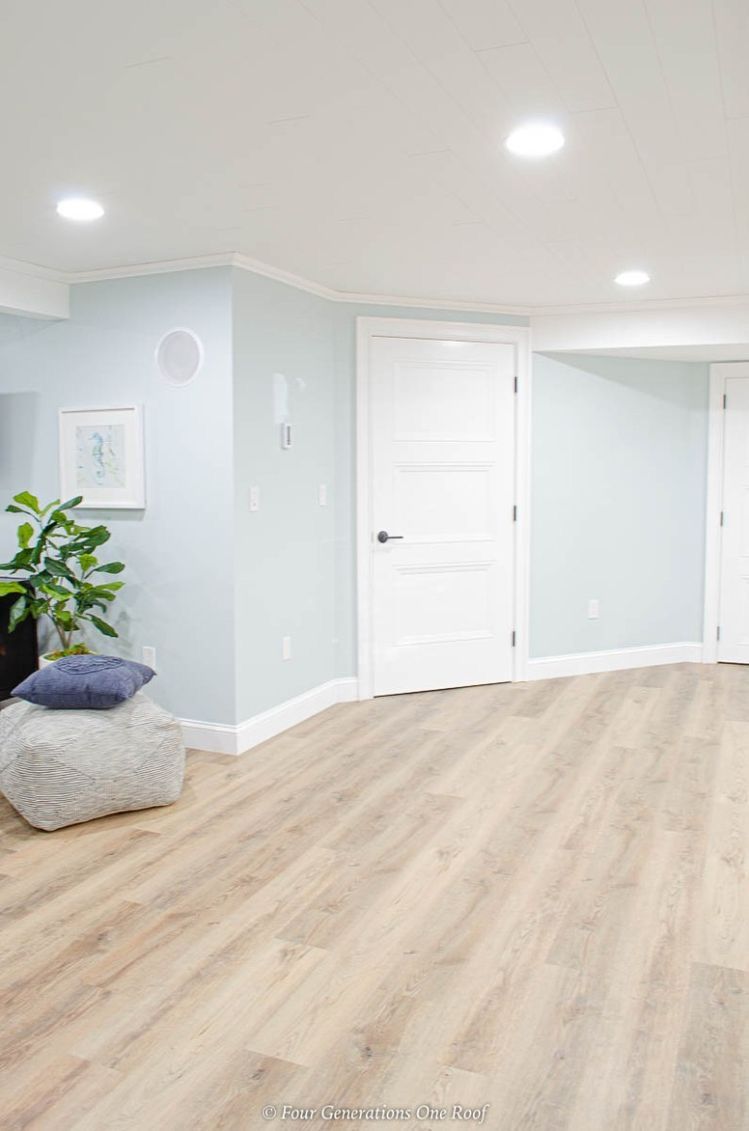
Basements in Green Bay face challenges few other rooms in the home deal with—moisture spikes, seasonal temperature swings, and the occasional groundwater surprise when the weather turns. That’s why choosing waterproof flooring isn’t just a preference here—it’s a necessity. Homeowners need materials that can stand up to humidity, unpredictable freeze–thaw cycles, and long-term durability without warping, buckling, or developing musty odors.
Bayland Flooring offers several flooring categories suited for these conditions, including luxury vinyl, waterproof flooring, tile, and even select laminate options. Not every material makes the cut for basement performance—so this guide breaks down what actually holds up in real Green Bay basements and what should be avoided.
Why true waterproof performance matters in Northeast Wisconsin
Basements in our region experience moisture from concrete slabs, high humidity during summer, seasonal condensation along cool walls or floors, occasional leaks or seepage, and rapid temperature changes. A waterproof floor should withstand all of this without swelling, separating, or trapping moisture underneath. That eliminates several popular materials—especially traditional hardwood, carpet (in most cases), and standard laminate. Instead, the focus shifts to rigid-core vinyl, tile, and specialty waterproof flooring options built to last.
The standout performer: luxury vinyl plank designed for basement durability
Luxury Vinyl (LVP) remains the top pick for Green Bay basements thanks to its combination of waterproof construction, warmth underfoot, and long-term stability. Unlike wood-based flooring, LVP doesn’t absorb moisture or swell.
Why LVP excels in basements:
100% waterproof core
Resists warping and buckling
Feels warmer than tile
Handles humidity without movement
Mimics hardwood without the risk
Installs easily over concrete
Within Bayland Flooring’s lineup, rigid-core luxury vinyl—especially SPC with its stone polymer core—performs exceptionally well in lower-level spaces. It won’t soften, shift, or expand when moisture levels fluctuate, making it ideal for year-round Wisconsin conditions.
When waterproof flooring is the smarter upgrade
The “waterproof flooring” category Bayland Flooring carries includes specialized engineered products built specifically for moisture-heavy environments. These flooring types often have sealed edges, enhanced core stability, and backing layers that resist mold.
These options outperform traditional flooring in basements because:
They offer complete waterproof protection
They resist temperature-related movement
They create a tighter moisture barrier
Many styles come in wood, stone, and tile visuals
This category was designed with basements, mudrooms, and utility areas in mind—spaces where ordinary flooring simply doesn’t survive the long haul.
Tile as the long-term champion for high-moisture basements
Tile remains one of the most durable choices for homeowners who want flooring that’s practically indestructible in wet conditions. Porcelain tile especially thrives in Green Bay basements.
Tile advantages:
Fully waterproof and non-absorbing
Handles flooding better than any other flooring
Doesn’t expand or contract with temperature swings
Offers endless style options
Works great with in-floor heating systems
For homeowners finishing a basement with bathrooms, laundry areas, or spaces prone to moisture, tile is unbeatable. It’s low-maintenance, timeless, and unfazed by whatever Wisconsin weather throws at it.
Can laminate work in a Green Bay basement? Only in specific cases
While traditional laminate should never be installed below grade, modern waterproof laminate options can perform well if the basement is properly maintained and moisture is controlled.
Waterproof laminate works best when:
The basement is dry and sealed
A proper underlayment is used
A moisture barrier is installed
The homeowner prefers the wood-look feel of laminate
It’s not the most forgiving option, but with today’s upgraded waterproof constructions, it can be a solid choice for finished basements that stay consistently dry.
Flooring types to avoid in Green Bay basements
Certain materials simply aren’t designed for below-grade conditions.
Carpet:
Warm and comfortable, yes, but prone to absorbing moisture and developing odor unless the space is fully dry.
Hardwood:
Solid hardwood and most engineered hardwood expand, contract, and warp in moisture-heavy environments.
Standard (non-waterproof) vinyl or laminate:
Lower-cost options without waterproof cores will fail quickly in basements.
Choosing the wrong flooring here means replacing it sooner than expected—something every Green Bay homeowner wants to avoid.
How to ensure the flooring performs after installation
Even the best waterproof flooring benefits from proper preparation and installation. Below-grade spaces need moisture testing for the slab, a quality moisture barrier, correct underlayment for vinyl or laminate, expansion spacing around the perimeter, and basement humidity management. When these steps are followed, waterproof flooring delivers exceptional longevity and comfort.
Building a basement that feels warm, dry, and ready for everyday living
Waterproof flooring isn’t just about protection—it’s about creating a basement that truly becomes part of the home. Whether the goal is a cozy guest suite, a playroom, a home theater, or a fitness space, choosing the right flooring is the foundation of a comfortable and long-lasting lower level.
For homeowners in Green Bay and the surrounding communities, Bayland Flooring delivers top-quality waterproof flooring, luxury vinyl, tile, and other moisture-ready options—plus free in-home measurement for hassle-free planning. Visit our New Franken showroom or schedule a visit today to explore hundreds of in-stock, first-quality flooring styles built for real Wisconsin basements.


