

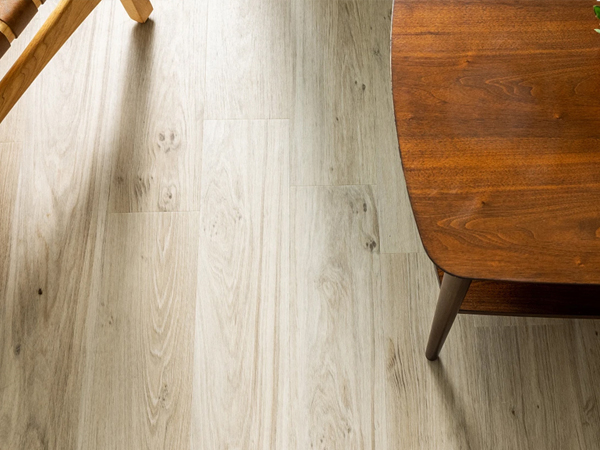
Laminate flooring often gets chosen for its look and durability, but what sits at its core is what truly defines how it performs over time. Beneath the surface design and protective wear layer, the core board plays a major role in how the floor handles moisture, foot traffic, and everyday use.
At Bayland Flooring, many homeowners across Green Bay focus on color and style first, which makes sense. Still, understanding what is inside the plank helps avoid surprises later. When comparing different laminate flooring options, the difference between HDF and MDF cores becomes an important part of the decision.
What the core layer actually does
The core is the structural center of a laminate plank. It supports the surface layer, keeps the board stable, and helps resist dents and wear. It also plays a role in how the flooring reacts to humidity and temperature changes.
A stronger, denser core means better durability and less movement over time. A lighter core may still work in certain spaces, but it behaves differently under pressure and exposure to moisture. This is where the distinction between HDF and MDF starts to matter.
HDF core: built for strength and stability
High-density fiberboard, known as HDF, is the more durable of the two core types. It is made by compressing wood fibers at a higher density, creating a tighter and stronger structure.
This added density makes HDF a popular choice for areas that see more daily activity. It holds its shape well and provides a solid feel underfoot, which many homeowners prefer in busy spaces.
Key benefits of HDF core include:
- Greater resistance to dents and impact
- Improved stability in changing temperatures
- Stronger locking systems for tighter plank connections
MDF core: a lighter and more flexible option
Medium-density fiberboard, or MDF, is made using a similar process but with less compression. This results in a softer and slightly less dense core.
MDF can still perform well in the right setting, particularly in rooms with lighter use. It offers a comfortable feel and can be easier to cut and install in certain situations.
Here are a few characteristics of MDF core:
- Slightly softer feel underfoot
- Works well in low to moderate traffic areas
- Typically more budget-friendly compared to HDF
Why density makes a visible difference over time
The difference between HDF and MDF becomes more noticeable as the flooring ages. Higher density helps prevent the planks from compressing under repeated pressure, which reduces the chances of visible wear patterns.
In high traffic areas, a denser core helps maintain the floor’s appearance and structure. This is especially important in entryways, living rooms, and hallways where daily use is constant.
Professional flooring installation also plays a role here, ensuring that the planks are properly supported and installed to minimize movement over time.
Moisture resistance and everyday conditions
While laminate is not fully waterproof, the core still influences how it handles moisture. HDF, being denser, typically absorbs less moisture than MDF, which helps reduce swelling if spills occur.
In areas like kitchens or entryways, this added resistance can make a noticeable difference. MDF, on the other hand, may be more sensitive to prolonged exposure, which can lead to expansion or warping if not managed carefully.
This is why choosing the right core type based on the room is just as important as selecting the design itself.
Choosing the right core for each space
Every room has its own demands, and the core type should reflect how the space is used. High traffic areas benefit from the durability of HDF, while quieter rooms may still perform well with MDF.
For homeowners exploring different laminate flooring insights, understanding these differences helps create a better match between product and environment. It also helps avoid issues that can come from choosing based on appearance alone.
Taking the time to match core type with room function ensures the flooring continues to look and feel right long after installation.
A stronger floor starts from the inside out
Laminate flooring performance begins with what lies beneath the surface. We at Bayland Flooring help homeowners throughout Green Bay choose options that balance durability, comfort, and long-term reliability. Schedule a free in-home measurement and get guidance tailored to each room and lifestyle.


