

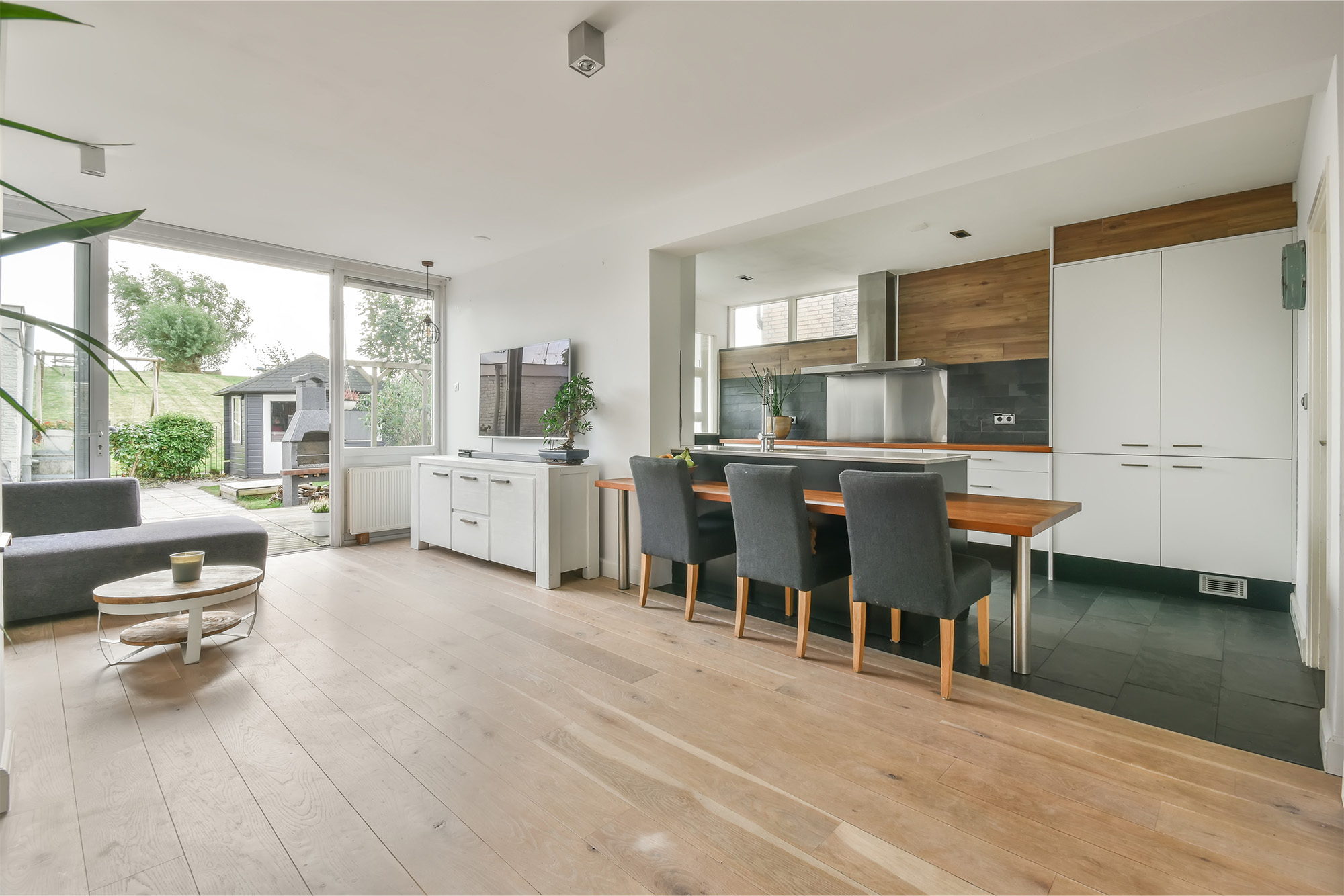
There's a reason hardwood flooring has remained a top choice for generations of homeowners. It brings warmth, character, and a timeless look that few other materials can match, and it often adds real value to a home's resale price. But hardwood is also a bigger investment than most other flooring types, which means it pays to understand exactly what you're buying before you commit. Here's what to know before you start shopping.
Solid Hardwood vs. Engineered Hardwood
The first major decision homeowners face is choosing between solid and engineered hardwood.
Solid hardwood is milled from a single piece of wood all the way through. It can be sanded and refinished multiple times over its lifespan, making it a long-term investment. However, it's more sensitive to humidity and temperature changes, so it's best used above ground level.
Engineered hardwood consists of a real wood veneer layered over a plywood or composite base. This construction makes it more stable in fluctuating conditions, which means it can be installed in more areas of the home, including some below-grade spaces, while still offering the authentic look of real wood.
Choosing the Right Wood Species
Different wood species offer different looks, hardness levels, and price points. Oak remains a classic choice thanks to its durability and versatile grain pattern, while maple offers a smoother, more uniform appearance. Hickory brings dramatic color variation and exceptional hardness, making it a great fit for busy households. The species you choose affects not just aesthetics but also how well the floor will hold up over years of daily use.
Understanding Finish Options
Hardwood finishes matter more than many homeowners realize. Site-finished floors are sanded and coated after installation, allowing for a completely custom, seamless look. Prefinished floors, on the other hand, arrive with the finish already applied at the factory, which typically means a faster installation timeline and a more consistent, durable topcoat. Each option has trade-offs worth discussing with a flooring specialist based on your project timeline and goals.
Where Hardwood Works Best
Hardwood flooring shines in living rooms, dining rooms, bedrooms, and hallways—spaces where its natural warmth and elegance can be fully appreciated. It's generally not recommended for bathrooms or laundry rooms due to moisture exposure, and basements often call for engineered options rather than solid wood. Thinking through your home's layout room by room helps ensure hardwood goes where it will perform and look its best.
Caring for Hardwood Long-Term
One of hardwood's biggest advantages is its longevity. With proper care—regular sweeping, prompt spill cleanup, and periodic refinishing—hardwood floors can last for decades, often outlasting other flooring types installed at the same time. Using furniture pads, managing indoor humidity, and avoiding excessive standing water all go a long way toward preserving the finish.
Getting Expert Guidance
Because hardwood represents a significant investment, it's worth working with a team that genuinely understands the material and can guide you through species, finish, and installation decisions. Learning more about a flooring retailer's background can give you confidence that you're working with people who know the product, not just selling it.
See the Options in Person
Photos and swatches can only tell you so much about how a hardwood floor will look and feel in your actual home. The best next step is visiting a showroom location near you to see full-size samples, ask questions, and get a professional measurement for your space before you make your final decision.


