

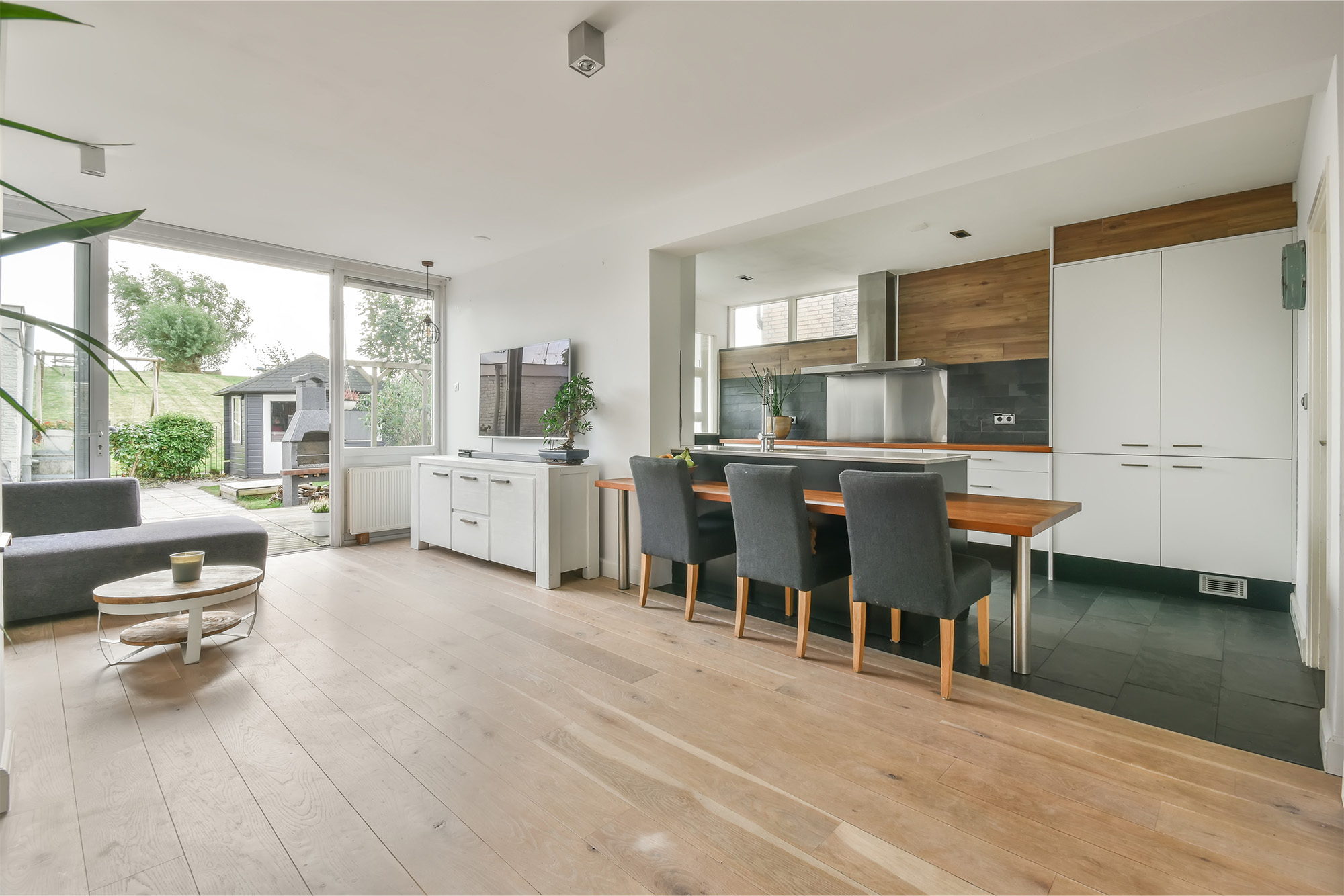
Picking new flooring can feel overwhelming. Walk into any showroom and you're met with hundreds of samples—carpet, vinyl plank, hardwood, tile—each promising to be the perfect fit for your home. But the truth is, there's no single "best" flooring. The right choice depends on the room, your lifestyle, your budget, and how much wear and tear that space sees every day. Understanding these differences before you shop can save you time, money, and a whole lot of second-guessing.
Start With How the Room Is Used
Every room in your house has different demands. A mudroom or entryway takes a beating from mud, snow, and foot traffic, while a bedroom just needs comfort underfoot. Before falling in love with a color or texture, think about:
Moisture exposure – Bathrooms, laundry rooms, and kitchens need water-resistant materials.
Foot traffic – Hallways and living rooms need durable, easy-to-clean surfaces.
Comfort – Bedrooms and family rooms benefit from softer materials like carpet.
Style continuity – Open-concept homes often look best with flooring that flows from room to room.
Carpet: Comfort and Warmth
Carpet remains one of the most popular choices for bedrooms, living rooms, and hallways. Beyond the soft, cozy feel, quality carpet can help reduce noise, retain heat in colder months, and even improve indoor air quality when paired with the right fiber and padding. Nylon and polyester fibers are excellent for high-traffic homes, while more delicate weaves are better suited to lower-activity spaces like formal living rooms.
Vinyl Plank: Durability Meets Style
Luxury vinyl plank has exploded in popularity, and for good reason. It mimics the look of real hardwood or stone while standing up to moisture, scratches, and daily wear far better than traditional hardwood. It's an excellent option for kitchens, basements, and busy family homes with kids or pets.
Hardwood: Timeless Value
Nothing quite matches the warmth and resale value of real hardwood. While it requires a bit more care and isn't ideal for moisture-prone areas, hardwood adds long-term value to a home and can be refinished multiple times over its lifespan.
Don't Forget the Budget
Flooring costs can vary dramatically depending on material, quality, and installation complexity. It helps to set a realistic budget range before you start shopping, and to ask about financing options if you're tackling multiple rooms at once. Many flooring retailers also carry discounted remnants, which can be a smart way to get premium materials for smaller spaces at a fraction of the cost.
Work With People Who Know the Product
Flooring isn't something you buy once a year—most homeowners only go through this process every decade or two. That's exactly why working with an experienced, knowledgeable team matters so much. A good flooring specialist won't just sell you a product; they'll walk you through fiber types, subfloor requirements, and maintenance realities so you end up with flooring that actually fits your life. If you want to learn more about the people behind the recommendations, it's worth reading about a retailer's background and expertise before making a decision.
Final Thoughts
Choosing flooring room by room, rather than trying to find one material for the whole house, almost always leads to better results. Take time to think about how each space is used, get samples into your actual lighting at home, and don't hesitate to ask questions. When you're ready to see these options in person and get expert guidance tailored to your home, stop by a showroom near you to explore flooring options at a location convenient to you and get started on your project the right way.


